
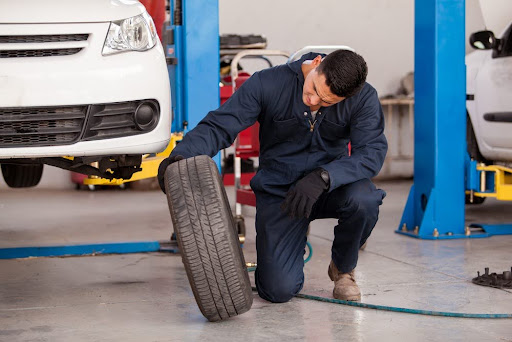
You’re loading up the car for a long-awaited road trip. The bags are packed, the GPS is set, and you’re ready to hit the highway. But as you pull out of the driveway, a thought suddenly crosses your mind: Are your tires still safe enough to handle the miles ahead?
No matter how vigilant you are with your vehicle’s maintenance, tire wear is easy to overlook because it happens gradually over time. Unfortunately, worn tires can have a major impact on your vehicle’s safety, handling, fuel efficiency, and stopping power.
Understanding how long tires typically last and knowing the warning signs that indicate it’s time for a replacement can help you avoid dangerous driving conditions and costly problems down the road.
How Long Tires Typically Last
Most tires are designed to last anywhere from 40,000 to 80,000 miles, depending on the type of tire and how the vehicle is driven. However, mileage isn’t the only factor to consider.
Even if a set of tires hasn’t reached its mileage limit, age alone can affect safety and performance. Many manufacturers recommend replacing tires every six years, regardless of tread depth, while some suggest that tires should never be used beyond ten years from the manufacturing date.
Rubber naturally degrades over time due to heat, oxygen exposure, and changing weather conditions. This deterioration can lead to cracking, reduced traction, and an increased risk of blowouts.
Of course, every driver’s situation is different. Someone who drives mostly on smooth highways may get significantly more life from their tires than someone regularly navigating potholes, construction zones, or stop-and-go city traffic. That’s why it’s important to monitor tire condition regularly instead of relying solely on mileage estimates.
Factors That Affect Tire Lifespan
Several factors influence how quickly tires wear down. Some are related to the conditions of the road, while others come down to driving habits and vehicle maintenance.
Driving Habits
Aggressive driving can dramatically shorten the lifespan of your tires. Specifically, frequent hard braking, rapid acceleration, and sharp cornering create extra friction and heat, which wear tread down faster.
On the other hand, smooth driving habits can help tires last longer while improving fuel efficiency and overall vehicle performance.
Road Conditions
Road quality plays a major role in tire longevity. Rough pavement, potholes, gravel roads, and debris can all damage tires and contribute to uneven wear patterns. Even minor impacts can knock your vehicle’s alignment out of specification, causing premature tread wear.
Climate and Weather
Temperature changes affect tire pressure and rubber condition more than many people realize. Hot weather can cause tires to expand and wear more quickly, while freezing temperatures can make rubber less flexible and reduce traction.
Constant exposure to sunlight and UV rays may also dry out tire rubber over time, leading to cracking or sidewall damage.
Tire Quality
Not all tires are created equal. Higher-quality tires are typically made with more durable rubber compounds and advanced tread designs that provide longer-lasting performance. Budget tires may cost less upfront, but they often wear out more quickly and may not offer the same level of traction or durability.
Alignment Issues
Improper wheel alignment is one of the most common causes of premature tire wear. When wheels are not properly aligned, tires may wear unevenly on one side or develop irregular tread patterns.
Misalignment can happen gradually or suddenly after hitting potholes, curbs, or road debris. Regular alignment checks help extend tire life and improve vehicle handling.
Inflation Levels
Driving on underinflated or overinflated tires can shorten their lifespan considerably. Underinflated tires create excessive rolling resistance and heat buildup, while overinflated tires reduce the amount of tread making contact with the road.
Checking tire pressure regularly helps maintain safe driving conditions and maximizes tire longevity.
Maintenance Habits
Routine tire maintenance plays a huge role in how long tires last. Services such as tire rotations, balancing, and alignment adjustments help ensure even wear across all four tires. Skipping regular maintenance often forces drivers to replace tires sooner than necessary.
Common Signs It’s Time to Replace Your Tires
Even if your tires haven’t reached their expected mileage limit, there are several warning signs that indicate replacement may be necessary.
Low Tread Depth
Tread depth directly affects traction, especially during rain or snow. Worn tread reduces your vehicle’s ability to grip the road and increases stopping distances.
A simple way to check tread depth is the penny test. Insert a penny into the tread groove with Lincoln’s head facing downward. If you can see the top of his head, the tread is too worn, and the tire should be replaced.
Uneven Wear Patterns
If certain areas of the tire appear more worn than others, it may indicate alignment, suspension, or inflation problems. Uneven wear can compromise handling and make tires unsafe even if some tread remains.
Cracks or Bulges
Visible cracks in the sidewall often indicate aging or dry rot, while bulges may signal internal structural damage. Both issues increase the risk of tire failure and should be addressed immediately.
Frequent Loss of Air Pressure
If a tire constantly needs air, it could have a slow leak, a damaged valve stem, or an internal tire issue. While some leaks can be repaired, repeated air loss may mean replacement is the safest option.
Excessive Vibration
Some road vibration is normal, but unusual or excessive shaking while driving may point to tire damage, balancing problems, or uneven tread wear.
Get Peace of Mind With Expert Tire Care
Staying proactive with tire inspections and maintenance can help prevent breakdowns, improve handling, and keep you safer on the road, no matter where your travels take you.
At Rob’s Automotive & Collision Center, our certified technicians provide professional tire inspections, maintenance, and replacement services to help drivers throughout Bucks County, Berks County, Chester County, and Central New Jersey drive with confidence. Whether you need help determining if your tires are still roadworthy or you’re ready for a new set, our team is here to guide you every step of the way. We can also come to you with our roadside assistance and towing services.
Contact Rob’s Automotive & Collision Center today to schedule an automotive service and enjoy greater peace of mind every time you get behind the wheel.